










For many foreigners, understanding Russia doesn’t truly begin in Moscow or St. Petersburg. An important part of it begins outside the big cities — at a dacha or in a small village, where life follows a slower rhythm and many traditions remain part of everyday life.
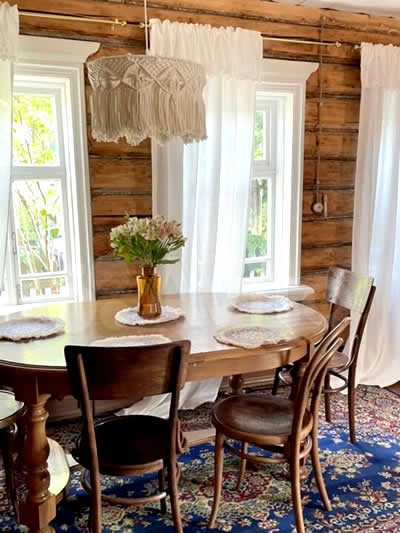
A dacha is much more than a country house. For millions of Russians, it is a place to relax, spend weekends with family, grow fresh food, and escape the noise of the city. During the warmer months, many families spend as much time there as possible, turning it into a second home.

🍅 Growing your own food is a way of life.
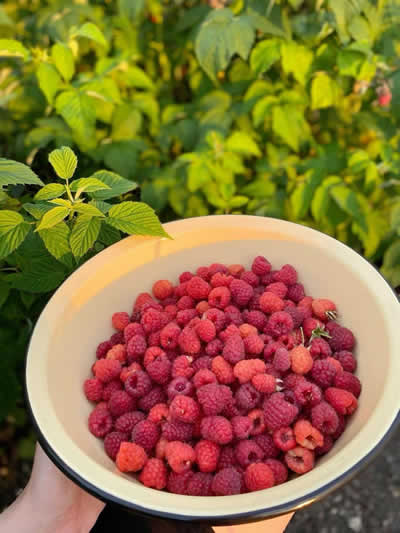
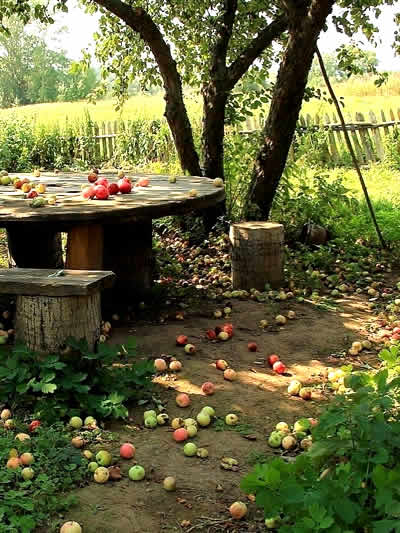
Small vegetable gardens (огород) are common. Tomatoes, cucumbers, potatoes, onions, herbs, berries, and fruit trees can often be found in even the smallest gardens. Many families take pride in harvesting food they have grown themselves.
🍄 Summer and autumn are mushroom and berry season.
Going into the forest to gather mushrooms and wild berries is a tradition that has been passed down through generations. It isn’t simply a weekend hobby—it is a familiar part of rural life and an opportunity to spend time outdoors with family and friends.
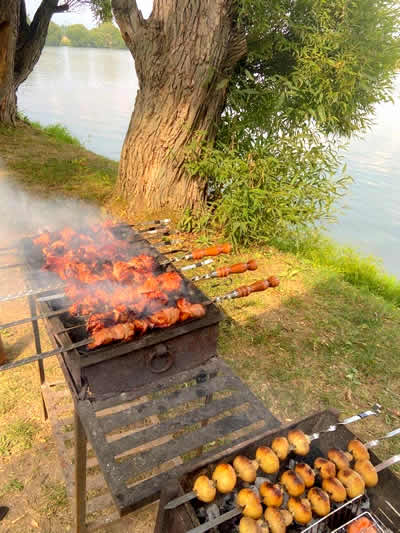
🔥 Shashliki bring people together.
Cooking shashliki over charcoal is one of Russia’s favorite social traditions. Friends and relatives gather around the grill, share homemade food, talk for hours, and enjoy long summer evenings. The atmosphere is usually relaxed, informal, and welcoming.
🐓 Village life stays close to nature.
In many villages, chickens, goats, rabbits, and other animals are part of everyday life. Gardens, orchards, greenhouses, and small farms create a close connection with the changing seasons that many city residents rarely experience.
There is also a practical side to rural living. Many families preserve vegetables, fruit, mushrooms, and berries for the winter by pickling, salting, drying, or making jams. People often repair their own homes, build garden structures, chop firewood, and spend much of the day outdoors. Self-sufficiency and resourcefulness are highly valued.
For anyone learning Russian, this environment offers something that textbooks simply cannot. It provides a chance to hear authentic everyday conversations, learn regional expressions, discover traditional food, and understand the customs that shape daily life. Language becomes more meaningful when you experience the culture behind it.
That’s why many travelers choose to include rural areas in their journey through Russia rather than visiting only the major cities. Some international students also choose to study abroad not only to improve their Russian, but to experience everyday life, local traditions, and the culture from the inside.
Key points
What is a Russian dacha?
A Russian dacha is a country house or summer home where families spend weekends and holidays, especially from spring through autumn. While some dachas are used mainly for relaxation, many also include vegetable gardens, fruit trees, and greenhouses. For millions of Russians, a dacha is an important part of family life and a place to enjoy nature away from the city.+
Why do Russians grow food at their dachas?
Growing food has long been part of Russian dacha culture. Many families cultivate vegetables, berries, herbs, and fruit both as a hobby and to enjoy fresh, homegrown produce. Preserving the harvest by making jams, pickles, or dried mushrooms is also a common tradition that continues today.
Can foreigners visit or stay at a Russian dacha?
Yes. Foreign visitors can experience dacha life by staying with local hosts, joining cultural tours, or participating in study abroad programs. Spending time at a Russian dacha offers a unique opportunity to practice the language, enjoy traditional homemade food, and experience everyday Russian culture beyond the country's major cities.
Read also: Russian culture aesthetics


