










The aesthetics of Russian culture are characterized by an attention to detail, color, and form that has evolved over centuries. From intricate headdresses to handwoven shawls, from the warmth of a samovar to the sweetness of a cockerel lollipop — these objects tell the story of a people who transformed daily rituals into living art. Today, these symbols remain deeply recognizable due to their shape, ornamentation, and simplicity, demonstrating how traditions become embedded in everyday objects and continue to shape contemporary visual culture.
Russian decorative art is never accidental. Every curl on a kokoshnik, every flower on a Pavloposad shawl, and every curve of a samovar carries centuries of meaning, regional identity, and festive spirit. What makes this heritage so unique is the seamless blend between functional design and deep symbolism — objects weren’t just used; they were cherished and passed through generations.
🌼 Timeless treasures of Russian material culture
Each object born from Russian folk aesthetics carries not only practical function but also a distinct artistic language — rich colors, rhythmic patterns, and a deep connection to nature. Below we explore five iconic symbols that continue to define Russian visual identity, from pre-Petrine elegance to 19th-century fairground joy.
👑 Kokoshnik – the regal headdress
Kokoshniks appeared as early as pre-Petrine Russia as part of festive women’s attire and indicated status and region. These stunning headdresses were often embroidered with gold thread, freshwater pearls, and silk. The shape varied from crescent-like crowns to towering arched forms, each telling a story of marital status and local tradition. Today, kokoshniks remain an enduring emblem of Russian folk beauty, frequently seen in stage performances, festivals, and contemporary fashion reinterpretations.
🌸 Pavloposad shawls – woven gardens
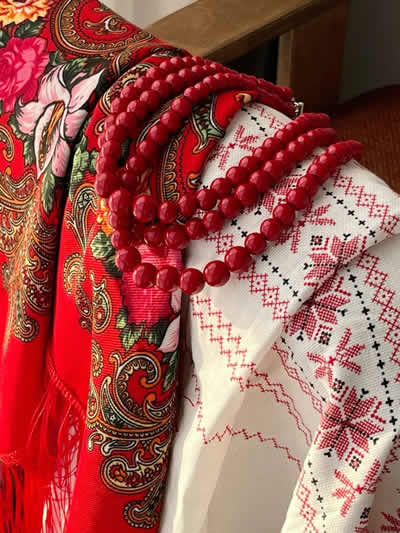
Pavloposad shawls began to be produced in the 19th century — they were made in factories, combining folk motifs with the floral patterns that were fashionable at the time. Rich roses, lush peonies, and intricate leaves cover wool and cotton blends, framed by decorative fringes. Originally a sign of urban elegance, these shawls soon became beloved nationwide. The distinct ornamental language of Pavloposad textiles continues to inspire modern designers and is easily spotted in both traditional gatherings and stylish streetwear.
☕ Samovar – the heart of Russian tea ceremony
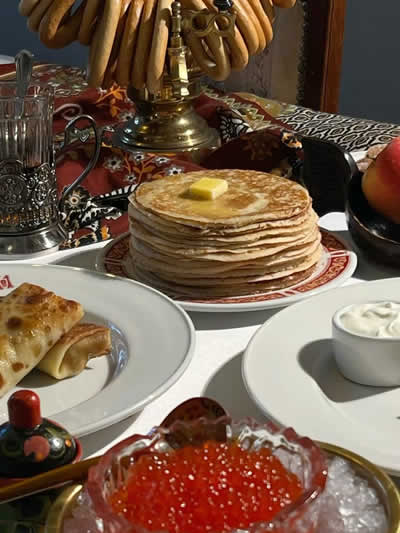
Samovars became widespread in the 18th–19th centuries with the development of tea drinking as an important social tradition. More than a kettle, the samovar represented hospitality, family warmth, and unhurried conversation. Made from brass, copper or silver, its shiny barrel-shaped body and ornate taps were often hand-engraved. The bubbling sound of water heating — and the tradition of brewing zavarka (strong tea concentrate) — remain nostalgic symbols of Russian home life, still used today in dachas and traditional restaurants.
🍭 Cockerel lollipop & pancakes – sweet folklore
Cockerel lollipop became popular at fairs in the 19th century as an affordable sweet treat for children. Made from caramelized sugar poured into whimsical rooster-shaped molds, these lollipops were both art and confection — bright, simple, and utterly charming. Meanwhile, pancakes (blini) have more ancient origins and are associated with rituals, including the farewell to winter (Maslenitsa). Round and golden like the sun, blini carry a deep pre-Christian symbolism of rebirth. To this day, every Maslenitsa week, Russians feast on piles of blini with sour cream, honey, or caviar, celebrating joy and togetherness.
🎨 Why these objects still captivate us
Their longevity lies in perfect balance: practical, decorative, and emotionally resonant. A Pavloposad shawl warms your shoulders while carrying a garden of flowers; a samovar becomes the center of family stories; a kokoshnik elevates festive attire into a crown. These artifacts bridge centuries, proving that true beauty never fades — it evolves.
🏡 The visual environment of Russian tradition
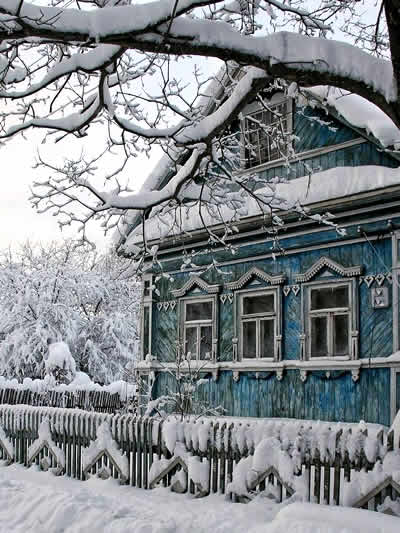
Beyond individual objects, the aesthetics of Russian culture are woven into architecture (traditional izba huts with intricate wood carvings), folk costumes, and even rural landscapes. The same love for symmetry, vibrant color contrasts (red, ochre, gold against white) and nature-inspired motifs appears on distaffs, spinning wheels, and festive tablecloths. Visiting a Russian ethnographic museum or a countryside festival feels like stepping into a living painting — ornaments breathe, patterns tell myths, and craft honors ancestry.
These cultural markers are still recognizable today due to their shape, ornamentation, and simplicity. They demonstrate how traditions become embedded in everyday objects and continue to be used in contemporary culture and the visual environment — from modern graphic design referencing floral shawls to fashion runways debuting kokoshnik-inspired headpieces. The endurance of these symbols reminds us that aesthetic memory carries identity across generations.
✨ Cultural notes for travelers & enthusiasts
- Where to see authentic kokoshniks: The State Hermitage Museum (Saint Petersburg) and the Russian Ethnographic Museum hold stunning imperial collections.
- Pavloposad shawls today: Original factory in Pavlovsky Posad still produces hand-printed designs; also popular souvenirs in Moscow’s Izmailovo Market.
- Samovar experience: Try a traditional tea ceremony at a Russian tea house or during a visit to Suzdal — often paired with jam, baranki (dried bread rings) and lively conversation.
- Maslenitsa pancakes: Plan your trip to Russia in late February or early March to join the most cheerful, butter-filled festival of the year.
- Cockerel lollipops (petushki): Still handcrafted at Russian fairs — a perfect nostalgic souvenir and delicious treat for all ages.
🎭 Deeper meaning of ornament: In Russian folk art, every detail speaks — oak leaves represent strength, birds symbolize happiness, and the “tree of life” motif appears on embroidery, wood carvings, and even gingerbread molds. These visual metaphors reflect a worldview deeply connected to nature and ancestry.
📖 Why the aesthetics of Russian culture matter today
In an era of mass production, the handcrafted soul of Russian objects reminds us of attention to detail, color, and form as a form of respect for daily life. Young Russian designers reimagine samovar silhouettes in minimalist interiors, while indie brands print kokoshnik motifs on modern streetwear. The continuity is natural — because these forms are not frozen in time, they dialogue with the present while honoring the past. Whether you’re a traveler, designer, or simply curious, exploring Russian cultural aesthetics opens a world where utility meets poetry, and every cup of tea tells a story.
From the fiery cockerel lollipop at a country fair to the gleaming samovar at a family dacha, from the embroidery of a festive dress to the floral explosion of a Pavloposad shawl — Russia’s material heritage remains vibrantly alive. It invites everyone to slow down, admire the ornament, and appreciate the hands that shaped beauty through centuries.
Key points
What are Russians really like?
Russians are often perceived as cold or reserved, but in reality they are deeply warm and hospitable — especially within the home. Their culture values sincerity, strong family ties, and a profound love for literature, music, and nature.
What traditions are popular in Russia?
Russia blends Orthodox Christian holidays like Easter with ancient pagan festivals such as Maslenitsa, where people gather to make pancakes and celebrate the end of winter. Everyday traditions like toasting at the table, and gifting flowers in odd numbers are equally important parts of Russian life.
What is Russia actually known for?
Russia is home to world-renowned ballet, classical literature, and some of the most breathtaking architecture on earth — from golden-domed Orthodox churches to the ornate interiors of the Hermitage. It's also a culture of rich everyday beauty: intricate folk patterns, steaming samovars, dense forests from fairy tales, and a tradition of craftsmanship that has captivated foreigners for centuries.
Read also: Traditional Russian clothing


