










So, you’re planning a trip to Russia—perhaps to marvel at the architecture of Moscow’s Red Square, wander the canals of Saint Petersburg, or even take the exciting step of learning Russian at a local language school like ours? Fantastic!
A trip to Russia is an unforgettable experience, filled with deep history, stunning art, and warm hospitality. To help you feel prepared and excited, we’ve put together essential, practical tips for a smooth and enriching adventure. This guide focuses on everyday realities and includes the most up-to-date information for 2026.
1. Before You Go: The Practical Stuff
A little preparation goes a long way in ensuring your trip starts stress-free.
- Get Your Visa Sorted Early: For most nationalities, a tourist visa is required. The process takes time, so start at least a month in advance. You’ll typically need a visa support letter, which your hotel, tour company, or language school can provide. Once you have it, complete the online application and schedule an appointment at the nearest Russian consulate or visa center. Be meticulous with your travel dates.
- Check Your Passport Validity: Your passport must be valid for at least six months beyond your planned departure date from Russia.
- Register Upon Arrival: This is a legal requirement. If you’re staying in a hotel, they will handle registration automatically. If you’re in a rented apartment, you must register within seven business days. If you’re studying with a school like Educa, you will be guided through this process to ensure everything is done correctly.
- Learn a Few Key Russian Phrases: While English is more common in major cities, stepping outside tourist areas is where the real experience begins. Knowing a few phrases shows respect and is always appreciated.
Hello: Здравствуйте (ZDRAV-stvui-te)
Thank you: Спасибо (spa-SEE-ba)
Please / You’re welcome: Пожалуйста (pa-ZHA-luis-ta)
Yes / No: Да (Da) / Нет (Nyet)
Do you speak English?: Вы говорите по-английски? (Vy govo-REE-te po an-GLI-ski?)
2. Navigating Daily Life in 2026: What’s Changed
Getting Connected: SIM Cards in Russia
Once you’ve arrived, these updated tips will help you avoid common pitfalls and settle in faster. One major change in recent years is mobile connectivity.
Since 2025, Russia has introduced stricter regulations for foreigners purchasing SIM cards. You can no longer simply buy one at the airport with just a passport.

To obtain a Russian SIM card in 2026, you must visit an official mobile operator store (such as MegaFon, MTS, or Beeline) and provide:
1. SNILS: A personal insurance number (similar to a social security number). This is typically not available to short-term tourists.
2. A verified Gosuslugi account: Russia’s main government services portal.
3. Biometric registration: Fingerprints and a photo registered in the Unified Biometric System.
This process is designed for long-term residents rather than short-term visitors. If you’re planning to study in Russia, it’s important to confirm in advance what support your school or accommodation provider can offer regarding connectivity.
Money Matters: Paying in Russia
Payment systems in Russia have also changed significantly. Visa and Mastercard issued outside of Russia generally do not work for local payments or ATMs.
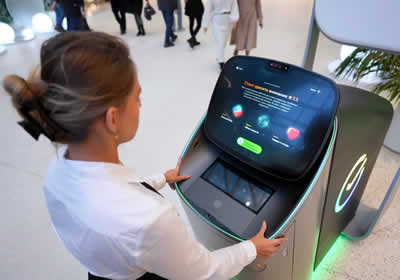
So how do you pay for things?
For short stays, bringing cash (in rubles or exchanged locally) is essential. For longer stays, having access to a local bank account can make daily life much easier.
With a Russian bank card, you can:
- Pay easily in shops, restaurants, and online
- Withdraw cash from ATMs across the country
- Avoid reliance on foreign banking restrictions
Setting up a bank account may involve paperwork and language barriers, so having local assistance can be extremely helpful.
Tip: Even if you have a local card, always carry a small amount of cash for markets, small vendors, or rural areas.
3. Understanding Cultural Cues

Russians are known for their hospitality, and understanding a few cultural norms will help you build meaningful connections.
The “Real” Smile: Russians may not smile automatically in public settings. This is not unfriendly—it reflects a cultural preference for genuine, sincere expressions rather than polite habits.
Shoes Off Indoors: It is standard to remove your shoes when entering a home. Guests are usually offered slippers. This is a sign of respect and cleanliness.
Toasting Traditions: If invited to a meal, expect meaningful toasts. It’s about connection, not just drinking. Non-alcoholic participation is perfectly acceptable.
Punctuality Matters: Being on time for classes, meetings, and social plans is considered respectful.
4. Studying Russian Locally: Why Support Matters
Navigating modern regulations—from SIM cards to banking—can feel overwhelming. This is why many travelers choose structured programs that provide local support alongside language learning.
- Practical Assistance: Many schools help students with visas, registration, and everyday logistics, making the transition smoother.
- Immersive Learning: Cultural activities, excursions, and real-life practice accelerate language acquisition.
- International Community: Studying in Russia allows you to meet people from around the world while connecting with locals.
Visiting Russia is a journey into a world of rich literature, breathtaking architecture, and fascinating traditions. With proper preparation and an open mind, your experience will be both smooth and unforgettable.
Ready to start your Russian adventure? Contact us to learn more about available programs and how to prepare for studying in Russia in 2026.
Key points
Do I need a visa to visit Russia, and how do I get one?
Yes, most travelers need a visa to visit Russia in 2026. You’ll first need a visa support letter from a hotel, tour provider, or language school, then complete an online application and attend a consulate appointment. Processing times vary, so apply at least 3–4 weeks in advance. Always double-check your travel dates and passport validity to avoid delays.
Can I use my phone and get internet in Russia?
Internet access in Russia is reliable, but getting a local SIM card is now more complicated. As of 2026, foreigners must provide additional documents such as a verified government account and biometric data, which is not practical for short-term visitors. Most travelers rely on international roaming or Wi-Fi in hotels, cafés, and public spaces.
What's the best way to pay for things in Russia?
Foreign Visa and Mastercard cards generally do not work in Russia. The best options are bringing cash (euros or dollars to exchange into rubles) or using a Russian bank card if you’re staying longer. For everyday convenience, many travelers combine cash with local payment solutions arranged through schools or local contacts.
Is it safe to travel to Russia in 2026?
Russia can be a safe destination for travelers who plan carefully and follow local regulations. Major cities like Moscow and Saint Petersburg are generally safe, with standard precautions similar to any large city. Stay informed about current travel guidelines, respect local laws, and keep your documents with you to ensure a smooth and trouble-free visit.
Can tourists still visit Russia in 2026?
Yes, tourists can still visit Russia in 2026, but travel requires more preparation than before. Visa procedures, payment limitations, and communication restrictions mean it’s important to plan ahead. Many travelers choose structured programs or local support to simplify logistics and enjoy a smoother experience during their stay.
How much cash should I bring to Russia?
It’s recommended to bring enough cash to cover your initial expenses, especially since foreign bank cards may not work. Many travelers bring euros or US dollars to exchange into rubles locally. For longer stays, having access to a local bank account or payment solution will make daily spending much easier and more convenient.
Read also: Where can foreigners work in Russia?


