










Nestled along the banks of the Angara River, just a stone’s throw from the shimmering depths of Lake Baikal, Irkutsk stands as one of Siberia’s most captivating cities. Often referred to as the “Paris of Siberia” for its rich cultural heritage, Irkutsk offers a unique blend of storied history, exquisite wooden architecture, and breathtaking natural landscapes. For anyone planning a Russian adventure, this city is an essential destination for those wanting to experience the true heart of Siberia.
While the city is steeped in history, it is best known as the primary launchpad for expeditions to the legendary Lake Baikal. Beyond its role as a transit hub, Irkutsk invites travelers to wander through its preserved historic center, indulge in hearty Siberian cuisine, and absorb the atmosphere of one of the region’s oldest and most influential settlements. In recent years, the city has also gained popularity among international students seeking a high-quality education and an authentic Russian cultural immersion.
A Brief History
Founded in 1661 as a fortified wintering settlement, Irkutsk quickly grew into a major trade and cultural epicenter for Eastern Siberia. Its strategic location on the Silk Road of the north facilitated commerce with China and Mongolia, bringing immense wealth and influence to the region. Today, with a population of approximately 620,000, the city maintains its historical significance while acting as the undisputed gateway to the sacred waters of Lake Baikal.



Top Attractions in and Around Irkutsk
Whether you have a weekend or a week, these sites should be at the top of your itinerary:
- Lake Baikal – The world’s deepest and oldest freshwater lake, often called the “Galapagos of Russia” due to its unique biodiversity. Easily accessible from the city, it is a must-see natural wonder.
- Listvyanka – This charming lakeside village is the most popular spot for experiencing Baikal up close. Here, you can taste fresh omul fish, take a boat cruise, or visit the local seal sanctuary.
- 130th Quarter – A beautifully restored historic district that feels like an open-air museum. Stroll along cobblestone streets lined with colorful, ornately carved wooden houses, chic cafes, and boutique shops.
- Angara Embankment – The perfect place for a peaceful evening stroll. This scenic promenade offers stunning views of the river and is home to the monument to Tsar Alexander III.
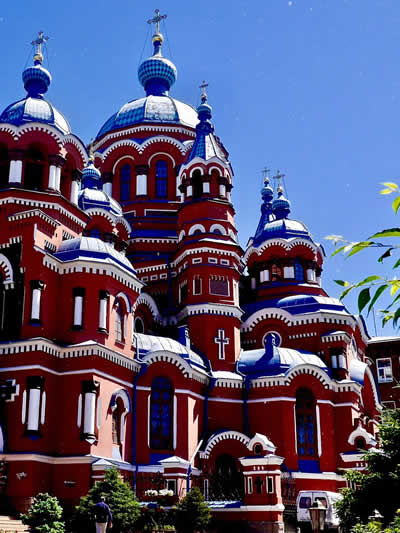
- Bogoyavlensky Cathedral – One of the city’s oldest and most photogenic churches, featuring vibrant Baroque architecture and striking blue and gold domes that dominate the skyline.
- Baikal Museum – Located in Listvyanka, this museum offers an insightful dive into the geology, flora, and fauna of Lake Baikal, including interactive exhibits and an aquarium with native fish species.
Why Visit Irkutsk?
Irkutsk is far more than just a stopover; it is a destination that offers a profound glimpse into the soul of Siberia. Whether you are a seasoned traveler, a curious student, or a nature enthusiast, the city promises a memorable journey. From the vibrant buzz of its cultural festivals to the serene silence of its snow-covered streets in winter, Irkutsk provides an authentic and unforgettable side of Russia that is rarely seen by the casual tourist.
Key points
How far is Lake Baikal from Irkutsk?
Listvyanka village is about 70 km away (1–1.5 hours by minibus). Olkhon Island is 5–6 hours away.
When is the best time to visit?
- Summer (June–August): Warm weather, hiking, and boat trips.
- Winter (January–March): Frozen lake with blue ice and ice caves.
What are the main sights in Irkutsk?
Kazan Cathedral, 130th Quarter (restored wooden houses), Angara Embankment, and Bogoyavlensky Cathedral.
How cold does Irkutsk get in winter?
Daytime: -20°C to -30°C (-4°F to -22°F). Nights can drop below -40°C (-40°F) in January. Pack thermal layers, a down jacket, and insulated boots.
Read also: Cities of Russia – Kaliningrad


